Supplier deposits
Overseas manufacturers frequently want a deposit or full payment before production or shipment.
Long shipping cycles and extended buyer terms tie up cash. Factoring turns your trade invoices into working capital while goods are still moving.
International trade stretches every part of the cash cycle. You may pay a supplier before goods leave the factory, wait weeks for ocean or overland freight, clear customs, and then give your buyer 30, 60 or 90 days to pay. For an importer or exporter, the money can be out of your hands for months on a single order.
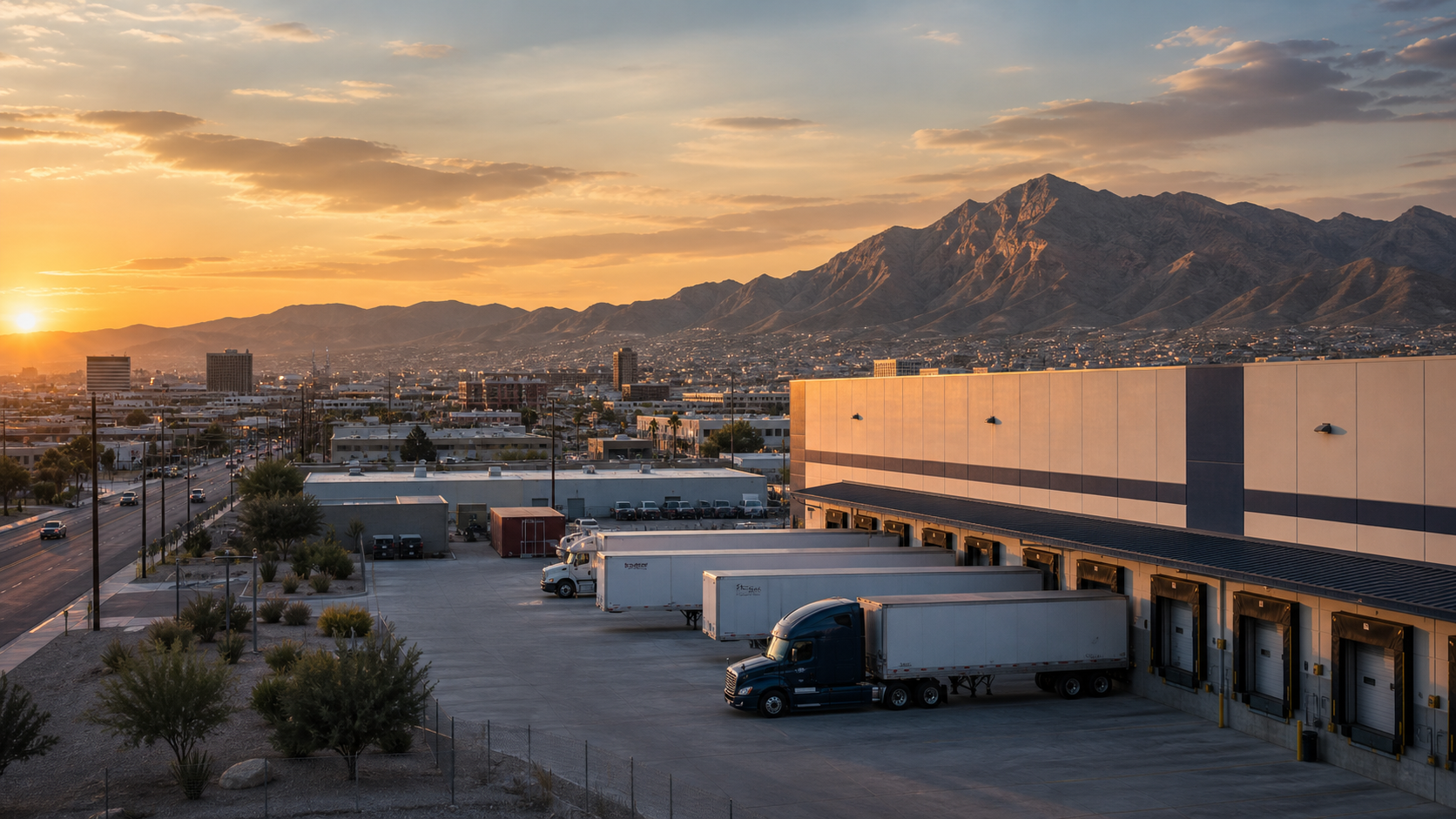
Texas sits on some of the busiest trade corridors in the country, with border hubs like El Paso and Laredo moving enormous volumes of goods. Factoring helps the businesses in that flow keep pace by turning invoices to creditworthy buyers into cash, so the next container is not waiting on payment for the last one.
Trade businesses carry costs that domestic companies rarely face, and most of them land before the buyer pays.
Overseas manufacturers frequently want a deposit or full payment before production or shipment.
Goods in transit for weeks represent cash you have spent and cannot yet collect.
Customs costs are due at entry, long before the goods are sold and paid for.
Large retailers and industrial buyers often expect 60 to 90 day terms from trade suppliers.
Exchange rates and port delays can shift the timing and value of incoming payments.
Letters of credit are a traditional trade finance tool, but they are bank products tied to individual transactions and can be slow and paperwork-heavy. Factoring takes a different approach by funding against invoices once goods are delivered and billed.
| Feature | Invoice Factoring | Letter of Credit |
|---|---|---|
| What it does | Advances cash against invoices you have already issued | A bank's commitment to pay if documentary conditions are met |
| Who must arrange it | You arrange it; your buyer simply pays a new remittance address | Usually requires the buyer to open it with their bank |
| When you get cash | Shortly after invoicing, not at the end of the term | Generally when documents are presented and accepted, or at maturity |
| Paperwork | Invoices, proof of delivery and customer details | Strict document requirements; discrepancies can delay payment |
| Repeat use | Ongoing, invoice by invoice, as your trade volume grows | Typically set up for each transaction |
Whether you bring components north for manufacturers or ship Texas-made goods abroad, the business usually succeeds or stalls on working capital. Factoring lets you pay suppliers, freight forwarders and customs brokers on time, which protects your relationships and your pricing.
If you need cash before an invoice exists, for example to pay a supplier for a confirmed order, purchase order financing may fit alongside factoring. Trade businesses near the border can also see our El Paso factoring page, and those handling freight directly may find transportation and logistics factoring useful.

Trade invoices need a little more documentation than domestic ones. Having these on hand speeds up approval.
The invoice issued to your buyer, matched to the order it fulfills.
Bills of lading, proof of delivery or carrier tracking showing the goods arrived.
Names, locations and contacts for the customers whose invoices you want to factor.
A current aging report so we can see how and when your buyers typically pay.
Call now or request a free estimate to see how import and export factoring can support supplier payments, freight, and customs costs during long shipping cycles.
Straight answers for Texas businesses comparing invoice factoring options.
Talk with a Texas factoring team that understands payroll, receivables, slow-paying customers, and the pressure of keeping operations moving.
512 271 5100